
The Thrill of Uncertainty
One of the primary psychological factors that keep players engaged in casino games is the thrill of uncertainty. This concept, often linked to the psychology of gambling, involves the unpredictable outcomes of games, such as slots or poker. The anticipation of winning can trigger a release of dopamine in the brain, a chemical associated with pleasure and reward, creating a compelling urge to continue playing. Many players turn to online casinos for this very reason, seeking the excitement that comes with the unknown.
This uncertainty also fosters an environment where players believe they can influence outcomes, even when the odds are statistically against them. Such cognitive biases, like the “illusion of control,” enhance the gaming experience, keeping players hopeful and engaged as they chase the next big win.
The Role of Reward Systems
Casino games are designed with intricate reward systems that tap into the psychological principles of reinforcement. When players win, even small amounts, their brains reward them with a surge of dopamine, encouraging them to repeat the behavior. This mechanism is similar to how slot machines operate, providing frequent small wins that create a sense of accomplishment and motivate continued play. The implementation of these systems showcases how strategic design can significantly impact player engagement.
Additionally, the concept of variable ratio reinforcement, where rewards are given at irregular intervals, heightens excitement. Players are more likely to continue playing, as they never know when the next reward will come, keeping their engagement levels high and driving them to invest more time and money into the games.
The Social Aspect of Gambling
The social environment within casinos also plays a critical role in maintaining player engagement. Many games, particularly table games like blackjack or poker, encourage interaction among players and dealers. This social aspect can create a sense of community and camaraderie, making the gaming experience more enjoyable and engaging.
Moreover, the presence of other players can stimulate competition and enhance excitement. The shared experiences and narratives formed around wins and losses foster a social dynamic that keeps players coming back for more, as they enjoy not only the games but also the interactions that accompany them.
The Influence of Game Design
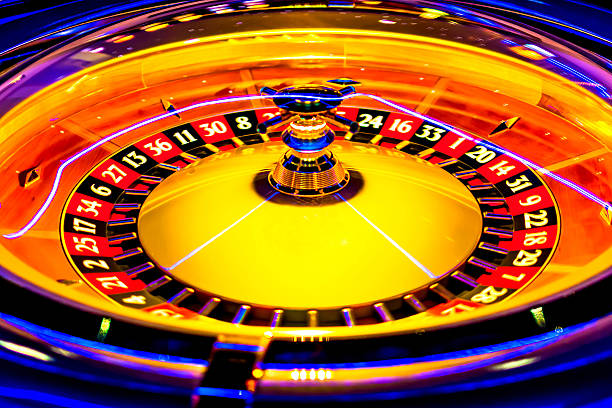
Game design is a crucial psychological element behind player engagement in casinos. Developers strategically create visually appealing interfaces, sound effects, and themes that captivate players’ attention. The use of bright colors, engaging animations, and immersive soundscapes can enhance the overall experience, making games more enjoyable and addictive.
Even the layout of a casino is designed to keep players engaged, guiding them through a world of excitement and temptation. With no clocks and a lack of natural lighting, players often lose track of time, allowing for extended play sessions and increasing the likelihood of continued engagement with the games.
Conclusion: A Resource for Exploration
This exploration of the psychology behind casino games reveals the complex factors that keep players engaged, from the thrill of uncertainty to innovative game designs. Understanding these psychological elements can provide insights not only for players but also for those involved in the gaming industry. If you’re seeking further insights into the features and mechanics of casino games, feel free to explore more resources available on our site, including information on how the games are structured and designed.
While some content may be restricted, our commitment to delivering valuable information ensures that visitors can navigate easily and find the resources they need, fostering a secure and enjoyable experience in the world of gaming.